

Some materials become even more capable of telling new stories as they grow older. Vietnamese lacquer art is one such example. From layers of natural lacquer, gold, silver, eggshell, and seemingly purely handcrafted polishing techniques, lacquer paintings have taken a long journey to become one of the distinctive hallmarks of modern Vietnamese art. And as of 2026, that story has still not come to an end.
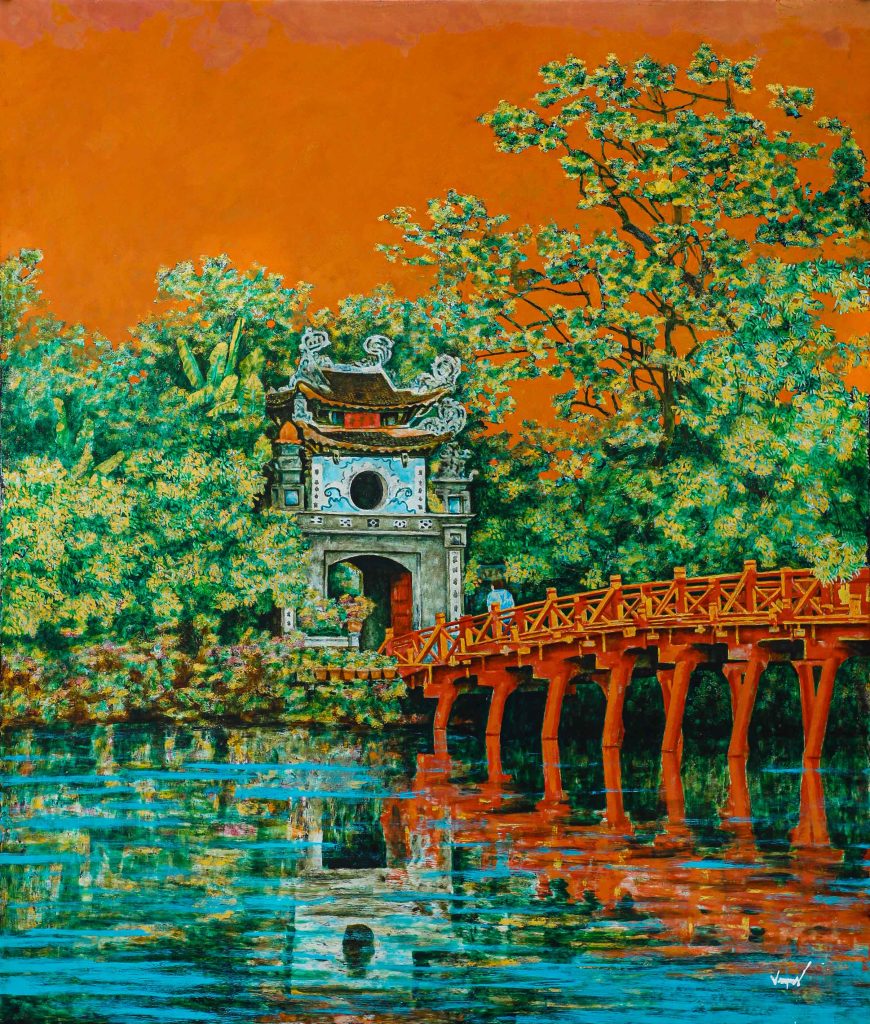
When Vietnamese lacquer paintings are mentioned, many people still imagine familiar colors: deep black, vermilion red, shimmering gold, young women, landscapes, or images of rural villages. These are an important part of the history of lacquer art, but they are no longer the whole story. Today, lacquer is moving beyond the definition of a traditional painting genre to become a medium of contemporary art.
This is particularly noteworthy in 2026, when Vietnam officially participates in the Biennale Arte di Venezia for the first time with the project Viet Nam: Art in the Global Flow. In its introduction, La Biennale di Venezia emphasizes the long history of Vietnamese lacquer and the ways in which artists are expanding this medium from painting into relief, sculpture, and installation.
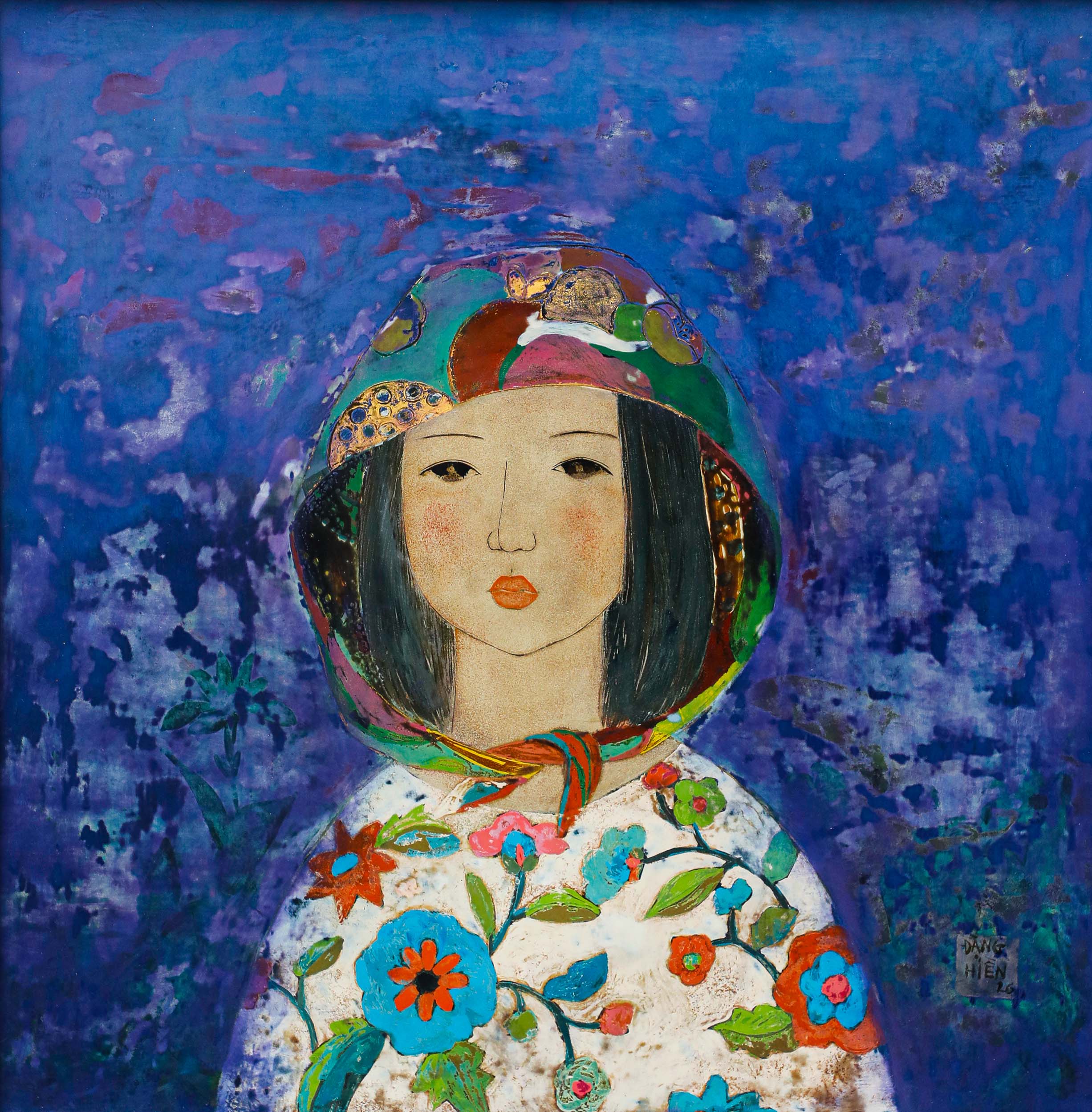
Perhaps this is one of the clearest images of how Vietnamese lacquer art is changing: lacquer is no longer confined to a frame.
From Sơn Ta to Modern Lacquer Painting
Vietnamese lacquer art has deep roots in the traditional lacquer craft, but an important turning point occurred when artists in the early 20th century began looking at sơn ta through the perspective of modern painting. At the École des Beaux-Arts de l’Indochine, experiments with indigenous materials and Western approaches to artistic form opened up a new direction, transforming lacquer from a decorative technique into a medium of artistic expression.
Nguyễn Gia Trí is a name frequently mentioned when discussing this transformation. Rather than regarding gold, silver, eggshell, or sơn then simply as materials, he explored their ability to create light, depth, and space. The surface of the painting was no longer merely a place that contained images; the surface itself became part of the image. The Quang San Museum considers Nguyễn Gia Trí one of the most influential figures in the history of 20th-century Vietnamese art, particularly in the transformation of lacquer painting.
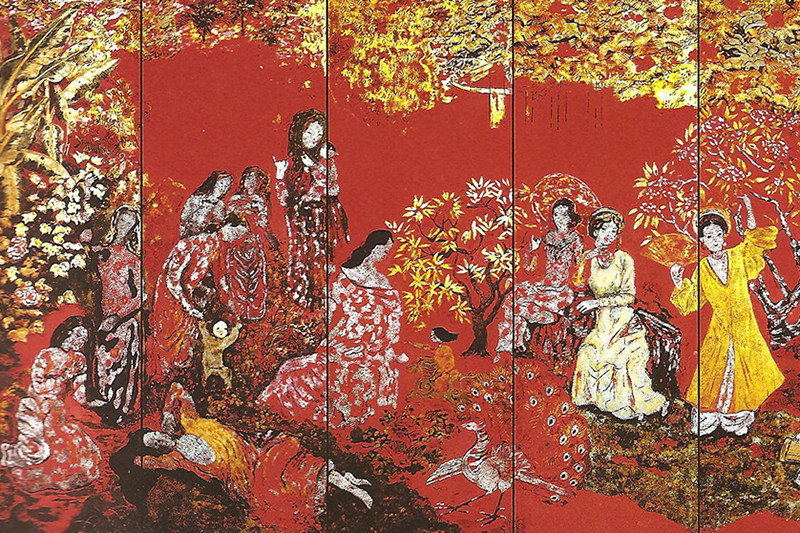
Perhaps this is precisely what makes modern lacquer painting different from a decorative lacquer product. The artist does not simply apply color to the surface but builds the artwork through multiple layers and then polishes them down so that the layers underneath gradually emerge. One part of the artwork is created by adding; another part is created by removing.
This process gives lacquer a very distinctive characteristic: it always evokes a sense of time.
When “Modern” Does Not Mean Abandoning Tradition
What is interesting is that the modernity of Vietnamese lacquer art does not come from eliminating old techniques. On the contrary, those very techniques become the foundation for artists to experiment.
A modern lacquer artwork does not necessarily have to depict Vietnamese landscapes or familiar images. It can be an abstract work, a study of forms, a story about personal memory, or a response to changes in urban life. What keeps the artwork within the tradition of lacquer art does not lie in its subject matter, but in the way the artist engages with the material.
This is also why the concept of contemporary lacquer art is becoming increasingly noteworthy. If the generation of modern painters once demonstrated that sơn ta could become a medium for painting, contemporary artists are now asking a broader question: does lacquer necessarily have to be a painting?
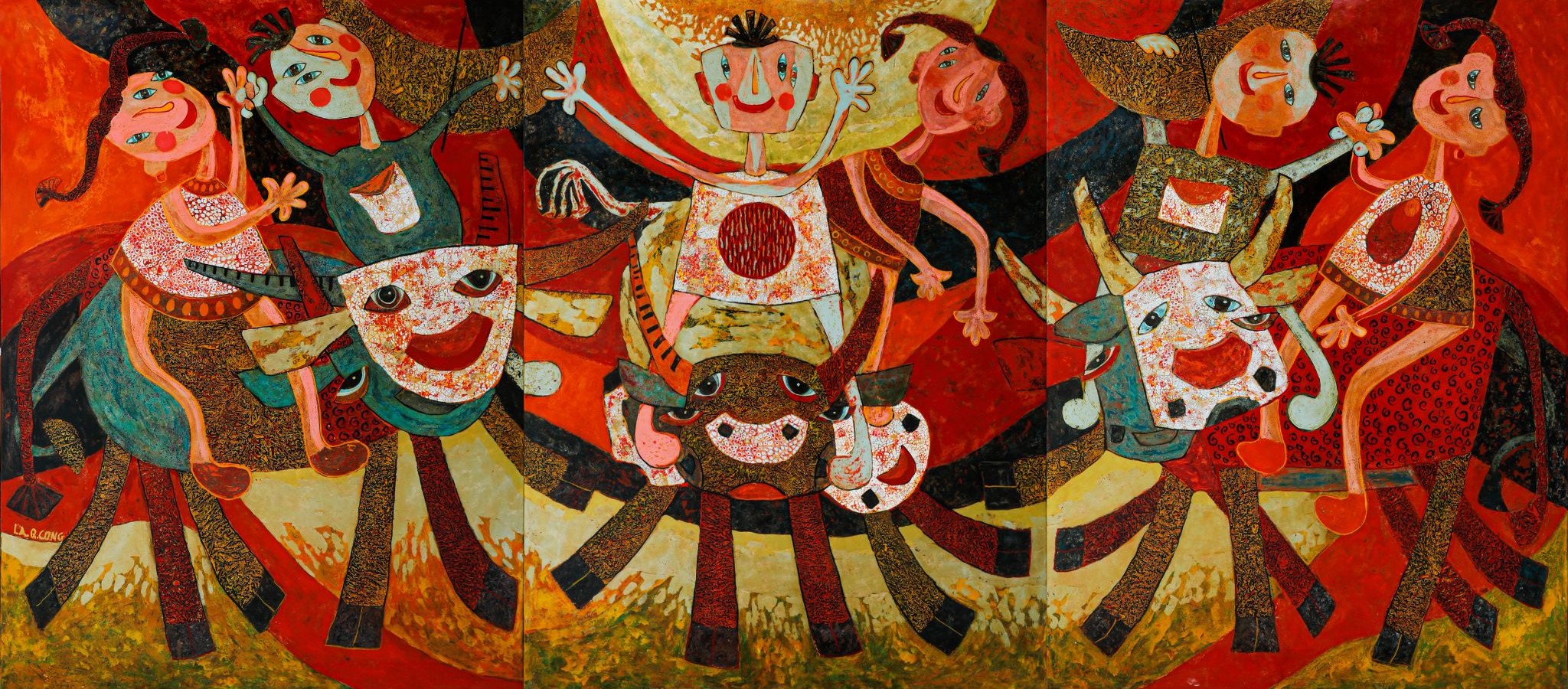
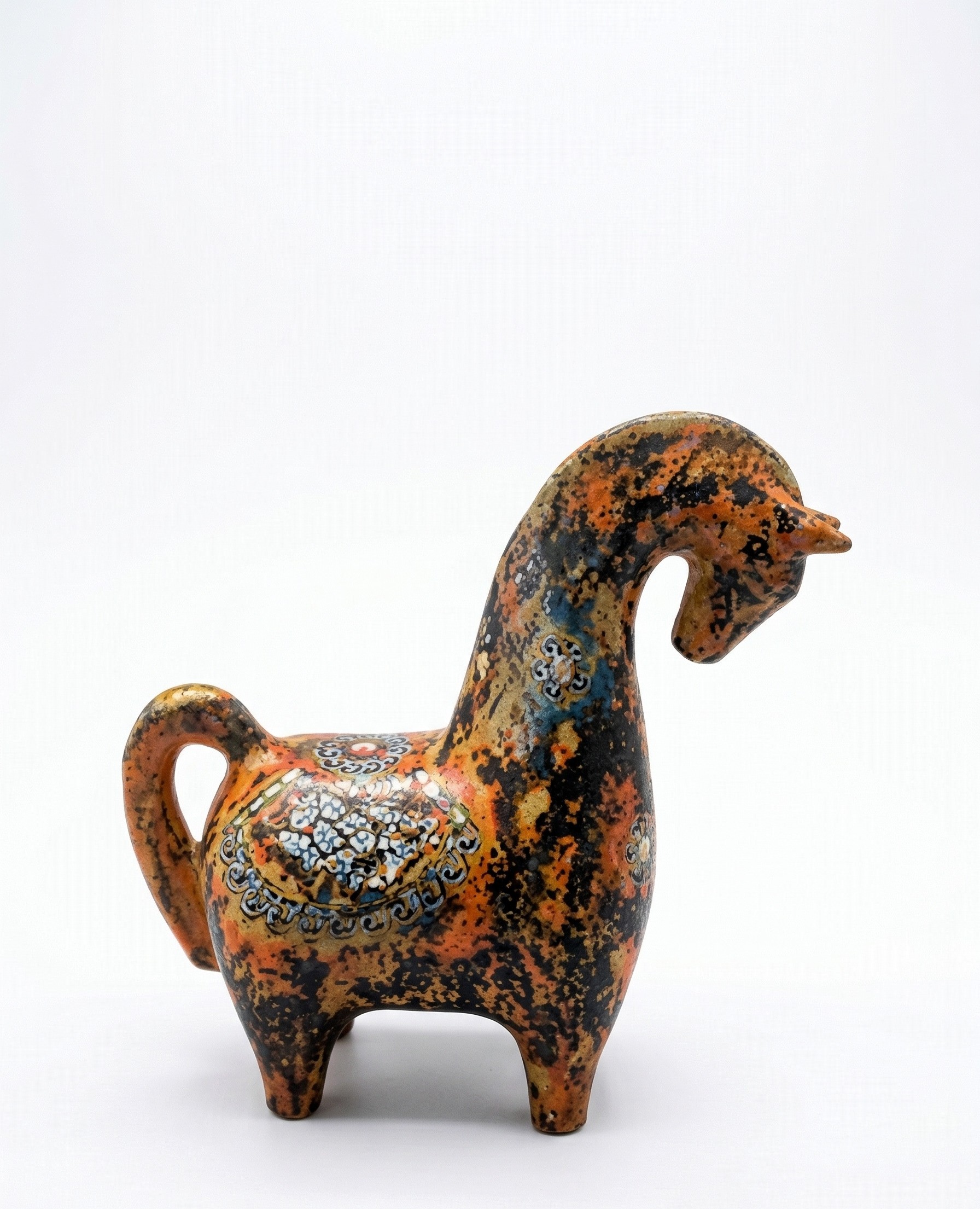
The answer is gradually emerging in new exhibitions. Lacquer can become a relief, an object, a sculpture, or part of an installation. Layers of material that were originally created to exist on a flat surface can now enter three-dimensional space.
An Old Material in the New Art World
There is a paradox that makes lacquer particularly interesting in today’s art world. While much of contemporary imagery is increasingly associated with screens, digital technology, and speed, lacquer is a material that requires time. The lacquer must dry. One layer has to wait for another. The surface must be polished. What is hidden only appears after a lengthy process of treatment.
That slowness may be precisely one of the most modern values of lacquer.
In a world where images can be created and copied within just a few seconds, a lacquer surface still carries traces of the hand, the material, and time. No two polishing processes are exactly the same. The layers underneath cannot be seen from the beginning. And when the light changes, the surface can change with it.
From this perspective, Vietnamese lacquer painting is not only a heritage that needs to be preserved. It is a material that still has the ability to engage in a dialogue with the present.
Vietnamese Lacquer Art and a New Generation of Artists
In 2026, the appearance of many exhibitions dedicated to young artists shows that lacquer continues to be explored and experimented with. The exhibition Nhựa ban mai at the Vietnam Fine Arts Museum presented nearly 30 works by four young artists, offering new approaches to the lacquer medium.
Activities like these are important not only because they help preserve traditional techniques. More importantly, they demonstrate that lacquer can still be used to speak about things that belong to the present.
This is also how a tradition truly remains alive: not by repeating exactly what previous generations once did, but through the ability of the next generation to continue asking questions.
From Nguyễn Gia Trí to the artists experimenting with the medium today, the journey of Vietnamese lacquer painting can therefore be seen as a continuous process of transformation. Sơn ta was once a material of traditional craft; it later became a medium of modern painting; and now it stands before the possibility of becoming a broader language of contemporary art.
Perhaps in the future, we will no longer ask, “What does modern lacquer painting look like?” Instead, we will ask a different question: what can lacquer become next?
And that may be the best sign of all for a traditional material. Because as long as it continues to make artists ask questions, it has not yet become the past.
Some materials become even more capable of telling new stories as they grow older. Vietnamese lacquer art is one such example. From layers of natural lacquer, gold, silver, eggshell, and seemingly purely handcrafted polishing techniques, lacquer paintings have taken a long journey to become one of the distinctive hallmarks of modern Vietnamese art. And as of 2026, that story has still not come to an end.
When Vietnamese lacquer paintings are mentioned, many people still imagine familiar colors: deep black, vermilion red, shimmering gold, young women, landscapes, or images of rural villages. These are an important part of the history of lacquer art, but they are no longer the whole story. Today, lacquer is moving beyond the definition of a traditional painting genre to become a medium of contemporary art.
This is particularly noteworthy in 2026, when Vietnam officially participates in the Biennale Arte di Venezia for the first time with the project Viet Nam: Art in the Global Flow. In its introduction, La Biennale di Venezia emphasizes the long history of Vietnamese lacquer and the ways in which artists are expanding this medium from painting into relief, sculpture, and installation.
Perhaps this is one of the clearest images of how Vietnamese lacquer art is changing: lacquer is no longer confined to a frame.
From Sơn Ta to Modern Lacquer Painting
Vietnamese lacquer art has deep roots in the traditional lacquer craft, but an important turning point occurred when artists in the early 20th century began looking at sơn ta through the perspective of modern painting. At the École des Beaux-Arts de l’Indochine, experiments with indigenous materials and Western approaches to artistic form opened up a new direction, transforming lacquer from a decorative technique into a medium of artistic expression.
Nguyễn Gia Trí is a name frequently mentioned when discussing this transformation. Rather than regarding gold, silver, eggshell, or sơn then simply as materials, he explored their ability to create light, depth, and space. The surface of the painting was no longer merely a place that contained images; the surface itself became part of the image. The Quang San Museum considers Nguyễn Gia Trí one of the most influential figures in the history of 20th-century Vietnamese art, particularly in the transformation of lacquer painting.
Perhaps this is precisely what makes modern lacquer painting different from a decorative lacquer product. The artist does not simply apply color to the surface but builds the artwork through multiple layers and then polishes them down so that the layers underneath gradually emerge. One part of the artwork is created by adding; another part is created by removing.
This process gives lacquer a very distinctive characteristic: it always evokes a sense of time.
When “Modern” Does Not Mean Abandoning Tradition
What is interesting is that the modernity of Vietnamese lacquer art does not come from eliminating old techniques. On the contrary, those very techniques become the foundation for artists to experiment.
A modern lacquer artwork does not necessarily have to depict Vietnamese landscapes or familiar images. It can be an abstract work, a study of forms, a story about personal memory, or a response to changes in urban life. What keeps the artwork within the tradition of lacquer art does not lie in its subject matter, but in the way the artist engages with the material.
This is also why the concept of contemporary lacquer art is becoming increasingly noteworthy. If the generation of modern painters once demonstrated that sơn ta could become a medium for painting, contemporary artists are now asking a broader question: does lacquer necessarily have to be a painting?
The answer is gradually emerging in new exhibitions. Lacquer can become a relief, an object, a sculpture, or part of an installation. Layers of material that were originally created to exist on a flat surface can now enter three-dimensional space.
An Old Material in the New Art World
There is a paradox that makes lacquer particularly interesting in today’s art world. While much of contemporary imagery is increasingly associated with screens, digital technology, and speed, lacquer is a material that requires time. The lacquer must dry. One layer has to wait for another. The surface must be polished. What is hidden only appears after a lengthy process of treatment.
That slowness may be precisely one of the most modern values of lacquer.
In a world where images can be created and copied within just a few seconds, a lacquer surface still carries traces of the hand, the material, and time. No two polishing processes are exactly the same. The layers underneath cannot be seen from the beginning. And when the light changes, the surface can change with it.
From this perspective, Vietnamese lacquer painting is not only a heritage that needs to be preserved. It is a material that still has the ability to engage in a dialogue with the present.
Vietnamese Lacquer Art and a New Generation of Artists
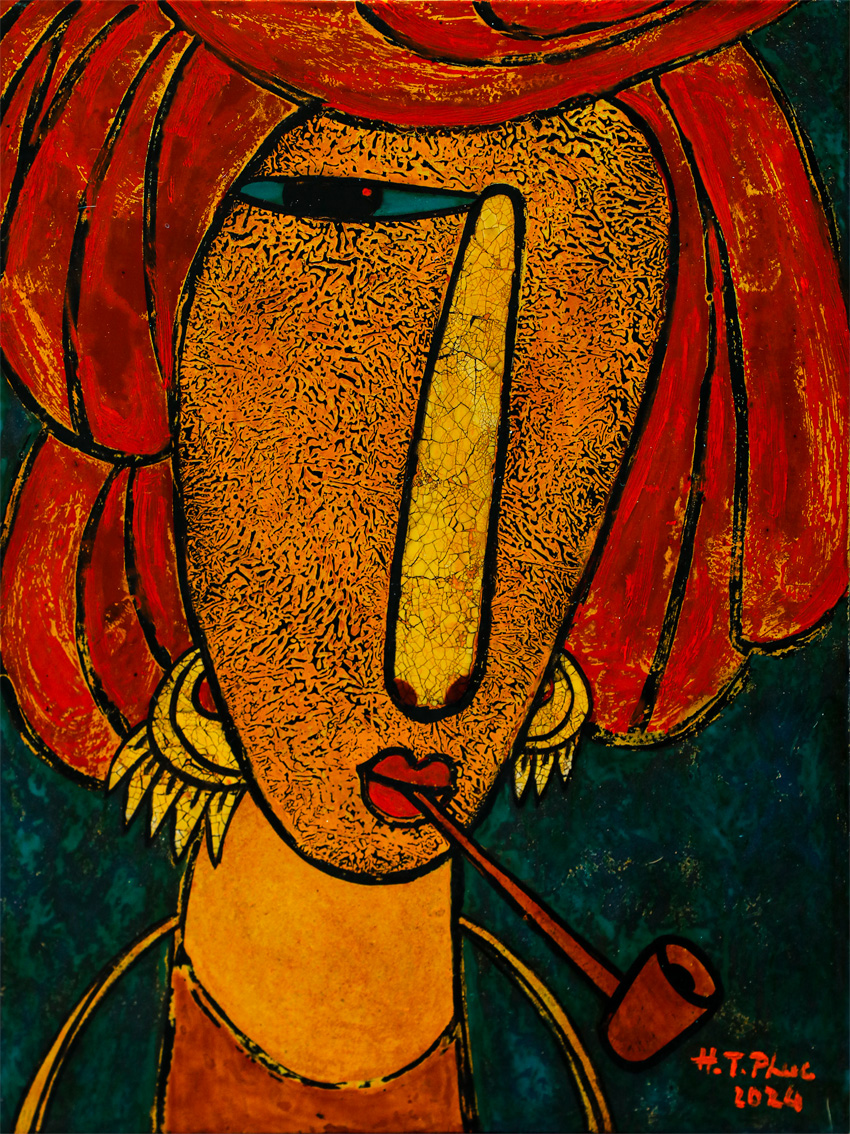
In 2026, the appearance of many exhibitions dedicated to young artists shows that lacquer continues to be explored and experimented with. The exhibition Nhựa ban mai at the Vietnam Fine Arts Museum presented nearly 30 works by four young artists, offering new approaches to the lacquer medium.
Activities like these are important not only because they help preserve traditional techniques. More importantly, they demonstrate that lacquer can still be used to speak about things that belong to the present.
This is also how a tradition truly remains alive: not by repeating exactly what previous generations once did, but through the ability of the next generation to continue asking questions.
From Nguyễn Gia Trí to the artists experimenting with the medium today, the journey of Vietnamese lacquer painting can therefore be seen as a continuous process of transformation. Sơn ta was once a material of traditional craft; it later became a medium of modern painting; and now it stands before the possibility of becoming a broader language of contemporary art.
Perhaps in the future, we will no longer ask, “What does modern lacquer painting look like?” Instead, we will ask a different question: what can lacquer become next?
And that may be the best sign of all for a traditional material. Because as long as it continues to make artists ask questions, it has not yet become the past.


 Connect via WhatsApp
 Request Consultation